
Shopping and Services
The concept of a consumer society is central to understanding the 21st-century human experience. Shopping and services have evolved from basic biological and social necessities into complex psychological, economic, and cultural phenomena. A consumer is defined as any individual who acquires products or pays for professional expertise to fulfill needs or desires. In our contemporary era, this relationship is mediated by global trade, massive retail architecture, and the digital revolution.
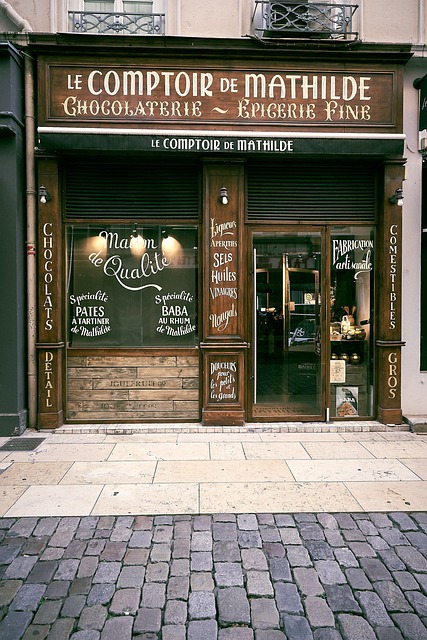
In the pre-industrial and early industrial eras, shopping was a deeply localized and personal activity. Traditional small shops were the backbone of every community. These establishments usually specialized in one or two categories of products, allowing the shopkeeper to be an expert in their field. For instance, the butcher’s provided meat and poultry, while the grocery shop offered general food and drinks. Seasonal produce was found at the greengrocers, and specialized household needs were met by the ironmongers, where one could find hammers, axes, nails, or pliers. Personal grooming and health products were the domain of the chemists, and clothing was purchased at dedicated clothes shops. In these environments, shopkeepers often knew their customers by name, creating a social bond that made it easy to ask for advice or specific recommendations.
However, as urban populations grew, the retail landscape shifted toward modern hypermarkets and shopping malls. These facilities represent a massive expansion in scale and efficiency. Their primary appeal is the ability to buy all kinds of products "under one roof." Unlike small shops, these malls function as social hubs or "lifestyle centers." They are equipped with expansive car parks, cinema halls, banks, clean toilets, cafes, and specialized play areas for children. Because they are often part of international chains, they leverage global supply chains to offer lower prices and significantly longer opening hours, often remaining open late into the night or throughout the weekend.
Despite their convenience, the rise of these giants has had a profound impact on local economies. Many traditional corner shops and individually owned businesses have been forced to close because they cannot compete with the aggressive pricing and logistical advantages of hypermarkets. This has led to a standardization of the shopping experience where the personal touch of a local shopkeeper is replaced by the efficiency of a self-checkout machine. Outdoor markets remain one of the few places where the traditional atmosphere survives, allowing individual sellers to offer home-grown food and unique commodities, though they typically have more limited hours than indoor centers. Despite their convenience, the rise of these giants has had a profound impact on local economies.
A major question in the study of modern life is whether our current shopping habits save or waste our resources. On one hand, shopping centers save time by consolidating errands into one location and save money through bulk pricing. On the other hand, the modern retail environment is psychologically engineered to encourage overspending. The layout of a supermarket, for example, often places essential items like bread and milk at the very back, forcing customers to walk past thousands of other products. Beautifully arranged goods, strategic lighting, and pleasant background music create a temptation to buy things that were never on the original shopping list.
This cycle of consumption is fueled by advertising, which acts as the most powerful force in a consumer society. It encourages us to buy more through a variety of pervasive forms, including newspaper advertisements, roadside billboards, leaflets in mailboxes, TV commercial breaks, and digital pop-ups on the internet. While some advertising is informative, providing details about new technologies or health products, much of it uses psychological manipulation to create "artificial needs." By associating a specific brand with happiness, beauty, or social status, advertisers persuade people to buy items they do not truly need. This can lead to a "shopping spree" where individuals spend money on impulse, and in extreme cases, it can result in a genuine shopping addiction that prioritizes material wealth over mental well-being.

Modern society relies on an incredibly wide range of professional services that handle tasks individuals cannot or do not want to perform themselves. Services are essentially "knowledge or labor for hire." Common examples include the post office for mail and parcels, hotels or youth hostels for accommodation, and specialized repair shops like car services. Personal maintenance is another major sector, including hairdressers for haircuts and tailors for clothing alterations. In the travel sector, agencies help holidaymakers plan complex trips, while estate agencies facilitate the buying and renting of property.
The hospitality sector, comprising restaurants, bars, and pubs, is perhaps the most visible service industry. Here, the experience is defined by the quality of the meal and the professionalism of the staff. In most cultures, it is customary to leave a tip for the waiter as a sign of appreciation for good service. These services are essential because they allow for a division of labor; we pay experts so that we can focus our own time on our professional work or leisure activities.
Financial services provided by banks and other institutions are the "engine" of the consumer society. Banks allow clients to open current or savings accounts, which are necessary for managing a regular income. For those looking to make major life purchases, banks provide mortgages for homes or loans for cars and education. Technology has completely transformed this sector; internet banking and mobile applications now allow us to carry out complex financial transactions from a smartphone or laptop without ever entering a physical bank building.
The global nature of modern trade means that countries like Slovakia are deeply integrated into international markets. We export machinery and automobiles while importing electronics, fashion, and exotic food products. This global exchange provides consumers with a variety that was once unimaginable. However, this global competition can make it difficult for local producers to survive.
In supermarkets, customers are often faced with a choice between cheap imports and domestic Slovak products. While foreign products might be cheaper due to mass production, buying domestic goods is often recommended as a form of economic responsibility. Supporting local producers and farmers helps the national economy grows and ensures that local jobs are preserved. Furthermore, domestic products often have a lower carbon footprint because they do not have to be transported across oceans or continents, making local shopping a more environmentally friendly choice.
The methods we use to pay for goods and services have evolved significantly from the days of bartering. While paying in cash — using banknotes and coins — is still common, it is increasingly being replaced by digital methods. Paying by credit or with debit card is often considered safer because the card is protected by a security code and can be blocked if lost. Other modern payment methods include standing orders for regular bills, direct bank transfers, and hire purchase, which allows a customer to pay for expensive items in regular installments over time.
Online shopping has become a dominant trend because it offers comfort and easy price comparisons. Consumers can browse thousands of products from their sofa and have them delivered to their doorstep. While "stone shops" (physical stores) allow you to see the real product and try on clothes, online shops often have a wider variety of specialized goods. Digital wallets and secure internet banking have made these transactions safe and efficient, further accelerating the shift away from physical currency.

Ultimately, being a consumer in the modern world requires a balance between enjoying the conveniences of technology and maintaining a critical eye toward the influence of marketing. Whether you prefer the personal touch of a traditional greengrocer or the efficiency of a digital marketplace, understanding the economic and psychological forces at play allows you to make informed decisions.

Obrázky použité na tejto stránke sú čerpané zo stránky:
pixabay.com